Pomeranians might be small, but their personalities are huge! As one of the most popular small dog breeds, keeping tabs on your Pom’s growth is essential for ensuring a happy, healthy pup. Let’s dive into what you need to know about this adorable breed’s development, and use the Pomeranian growth chart to track your puppy’s growth and estimate their adult size.
But first, let’s meet the breed! Pomeranians surged in popularity after an adorable Pom named Boo went viral online. His round, fluffy face, almost like a plush toy you’d find on Amazon, captured the hearts of millions. Pomeranians bring a perfect mix of sass, smarts, and a bit of a “small but mighty” attitude—like a tiny Poodle, Chihuahua, and Yorkie all rolled into one. And who can forget that royal legacy? Queen Victoria herself adored Pomeranians, forever cementing their status as little canine royalty. Ready to learn more?

Pomeranian Growth Chart: What to Expect
The Pomeranian growth chart help predict your pup’s size. However, these charts should be used only to give rough estimates and none of the data is definitely proven. It is more of a guideline than an absolute.
How to read it: Find your Pom’s age in weeks on the chart and match it to weight. Not only will this variety estimate their future weight. However, keep in mind that all dogs will develop at their own pace so tracking her progress is normal even for healthy puppies.
| Birth Weight | 3 oz. | 3.5 oz. | 4 oz. | 4.5 oz. | 5 oz. | 5.5 oz. | 6 oz. | 6.5 oz. |
| 1 week | 5 oz. | 5 oz. | 6 oz. | 8 oz. | 9 oz. | 10 oz. | 10 oz. | 11 oz. |
| 2 weeks | 6 oz. | 7 oz. | 9 oz. | 10 oz. | 12 oz. | 13 oz. | 14 oz. | 16 oz. |
| 3 weeks | 8 oz. | 9 oz. | 11 oz. | 14 oz. | 16 oz. | 17 oz. | 18 oz. | 20 oz. |
| 4 weeks | 9 oz. | 11 oz. | 13 oz. | 17 oz. | 22 oz. | 24 oz. | 26 oz. | 29 oz. |
| 5 weeks | 11 oz. | 13 oz. | 15 oz. | 19 oz. | 22 oz. | 24 oz. | 26 oz. | 29 oz. |
| 6 weeks | 12 oz. | 15 oz. | 17 oz. | 22 oz. | 24 oz. | 27 oz. | 30 oz. | 32 oz. |
| 7 weeks | 15 oz. | 17 oz. | 19 oz. | 24 oz. | 27 oz. | 30 oz. | 33 oz. | 35 oz. |
| 8 weeks | 16 oz. | 19 oz. | 21 oz. | 27 oz. | 29 oz. | 33 oz. | 36 oz. | 39 oz. |
| 9 weeks | 17 oz. | 20 oz. | 23 oz. | 29 oz. | 32 oz. | 35 oz. | 39 oz. | 42 oz. |
| 10 weeks | 19 oz. | 22 oz. | 25 oz. | 31 oz. | 34 oz. | 38 oz. | 41 oz. | 44 oz. |
| 11 weeks | 21 oz. | 24 oz. | 27 oz. | 34 oz. | 37 oz. | 40 oz. | 45 oz. | 49 oz. |
| 12 weeks | 22 oz. | 26 oz. | 30 oz. | 37 oz. | 41 oz. | 45 oz. | 48 oz. | 52 oz. |
| 13 weeks | 24 oz. | 28 oz. | 32 oz. | 40 oz. | 44 oz. | 48 oz. | 51 oz. | 57 oz. |
| 14 weeks | 26 oz. | 30 oz. | 34 oz. | 43 oz. | 47 oz. | 49 oz. | 55 oz. | 60 oz. |
| 15 weeks | 28 oz. | 32 oz. | 37 oz. | 46 oz. | 51 oz. | 56 oz. | 61 oz. | 65 oz. |
| 16 weeks | 30 oz. | 34 oz. | 39 oz. | 49 oz. | 54 oz. | 59 oz. | 65 oz. | 70 oz. |
| 17 weeks | 31 oz. | 36 oz. | 41 oz. | 51 oz. | 57 oz. | 62 oz. | 67 oz. | 72 oz. |
| 18 weeks | 33 oz. | 37 oz. | 43 oz. | 54 oz. | 60 oz. | 64 oz. | 71 oz. | 75 oz. |
| 19 weeks | 34 oz. | 39 oz. | 44 oz. | 56 oz. | 62 oz. | 67 oz. | 72 oz. | 77 oz. |
| 20 weeks | 35 oz. | 41 oz. | 46 oz. | 58 oz. | 64 oz. | 70 oz. | 76 oz. | 81 oz. |
| 21 weeks | 36 oz. | 42 oz. | 48 oz. | 60 oz. | 66 oz. | 72 oz. | 78 oz. | 84 oz. |
| 22 weeks | 37 oz. | 43 oz. | 49 oz. | 62 oz. | 68 oz. | 74 oz. | 80 oz. | 86 oz. |
| 23 weeks | 38 oz. | 44 oz. | 50 oz. | 64 oz | 70 oz. | 76 oz. | 82 oz. | 88 oz. |
| 24 weeks | 39 oz. | 45 oz. | 51 oz. | 65 oz. | 71 oz. | 78 oz. | 84 oz. | 90 oz. |
| Adults | 3 lbs | 3.5 lbs | 4 lbs | 5 lbs | 5.5 lbs | 6 lbs | 6.5 lbs | 7 lbs |
Why a Pomeranian Growth Chart is Essential
There is an expected body weight for any given breed at a series of ages that veterinarians and owners alike use to evaluate the progress of puppies in their care. If your baby is noticeably smaller or larger than ordinary, this can be a visible symptom of health concerns therefore monitoring these with time could warn you early enough.
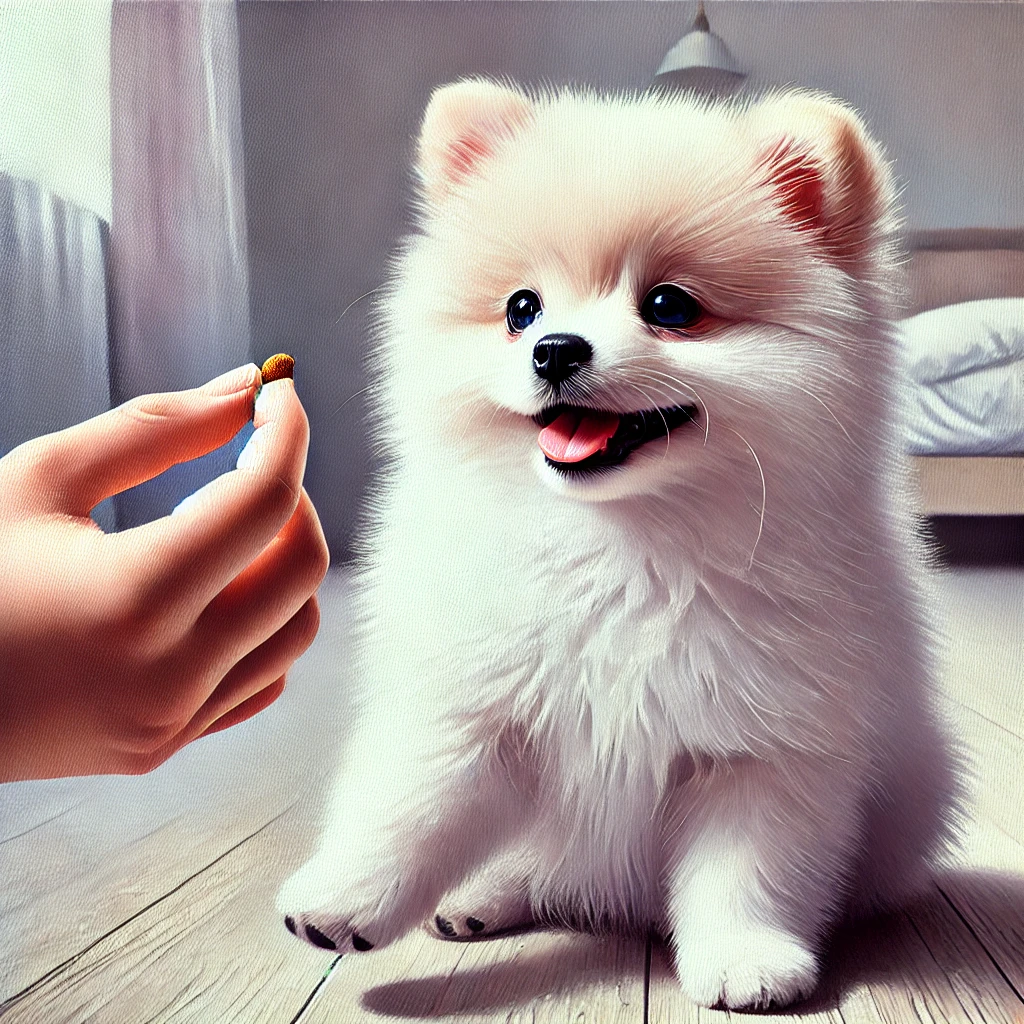
How to Estimate Your Pom’s Final Weight
Here are two quick ways to estimate your Pom’s adult size:
The Double Method: At 23 weeks old, double your Pom’s current weight to get an idea of their adult size.
The 52-Week Method: Take your Pom’s weight at their current age in weeks, divide by their age, then multiply by 52 to project their weight at one year old.
Both methods are rough estimates, but they’re easy and helpful in giving you a ballpark figure.
Stages of Pomeranian Development
Poms grow through five key stages. Knowing what’s normal at each stage can help you track their health and catch any unusual patterns.
Newborn to 2 Weeks
Newborn Poms are tiny—sometimes as light as 2.5 ounces! They spend these early weeks sleeping, feeding, and gaining weight rapidly. Within just two weeks, your Pom’s weight may increase by more than double.
3 Weeks to 3 Months
This is a period of major growth. Poms with a larger birth weight will usually stay on the heavier side, while smaller pups tend to grow at a steadier pace. Expect to see lots of changes as your puppy develops strength and coordination.
4 to 9 Months
By nine months, your Pom may have reached about 80% of their adult weight. The size difference between larger and smaller Pomeranians becomes clearer here. Those with higher birth weights might be as heavy as 80 ounces, while smaller Poms could be closer to 27 ounces.
10 to 18 Months
Around ten months, most Poms are nearly fully grown. There might be small changes, but by 18 months, your Pom should have reached their adult weight and size. Keep monitoring their growth in case you notice anything unusual, and consult your vet if needed.
Adult Pomeranian
An adult Pom usually weighs between 2 to 6 pounds. At this stage, their weight should stay relatively stable. Some Poms may gain or lose a little due to diet, activity level, or health issues, but big changes aren’t typical.
Factors that Influence a Pomeranian’s Size
Two main factors play a role in a Pomeranian’s final size: internal and external influences.
Genetics: Like any breed, a Pom’s size is largely determined by genetics. If their parents were on the larger or smaller side, they likely would be too.
Food and Activity: Diet and exercise are crucial for healthy development. Good-quality food and regular exercise promote healthy weight gain, strength, and overall well-being.
Sex: Male Poms are typically a bit bigger than females, but the difference isn’t usually dramatic in this breed.

When Is a Pomeranian Fully Grown?
The majority of Pomeranians reach their adult size by around ten months, but some might keep growing until they’re 18 months. At that stage you should not be able to change their size largely however they maintain ideal body weight with a good lifestyle.
Different Pomeranian Sizes
While most Poms will fall within the standard size, there are exceptions. A Pomeranian could get even bigger than usual, while Teacup Poms — bred to be extra small — are controversial for many reasons (not least because their miniature stature means they often suffer from serious health issues). Though adorable, their lives can be jeopardized by joint and bone problems, which are especially common in toy breeds.
The Bottom Line

Whether your Pomeranian is smaller or larger, a Pomeranian growth chart can be a helpful tool for monitoring its health. Many factors contribute to their development, from genetics and diet to exercise and stimulation. A happy, healthy Pom is the ultimate goal—and as their owner, you’re the key to helping them thrive.
So, if you’re raising a Pom, enjoy the journey of watching your little fluff ball grow up. They’re small in size but big on personality, and with proper care, they’ll be your loyal (and sassy) companion for years to come!